
ISO 17850-2015 Photography—Digital cameras—Geometric distortion (GD) measurements
1. 基本概述
畸变最主要的影响就是原本水平的线条变弯。最主要的两种畸变如下:

此外还有wave distortion
之前有一份标准ISO 9039主要用于测试镜头的畸变,本标准用于测试整体成像的畸变情况。
2. 相关术语
geometric distortion
GD displacement from the ideal shape of a subject (lying on a plane parallel to the image plane) in the recorded image
Note 1 to entry: Geometric distortion basically derives from variation of lateral magnification in the image field of a camera lens and results in straight lines being rendered as curves. There are other factors to induce geometric distortion, for example, rotational asymmetricity of a camera lens or position shift processing in a camera imaging process.
TV distortion
line distortion measured by conventional method of TV field defined in IEC 61146-1 or EBU Tech3249
3.测试条件
光照均匀性要求在90%左右,但是光照对于测试结果影响不大
使用Dot Chart进行测试,垂直方向视场内至少要包括15个点
画面平均亮度要求在110-160之间
4. 测试方法
Local Geometric Distortion的计算方法为:
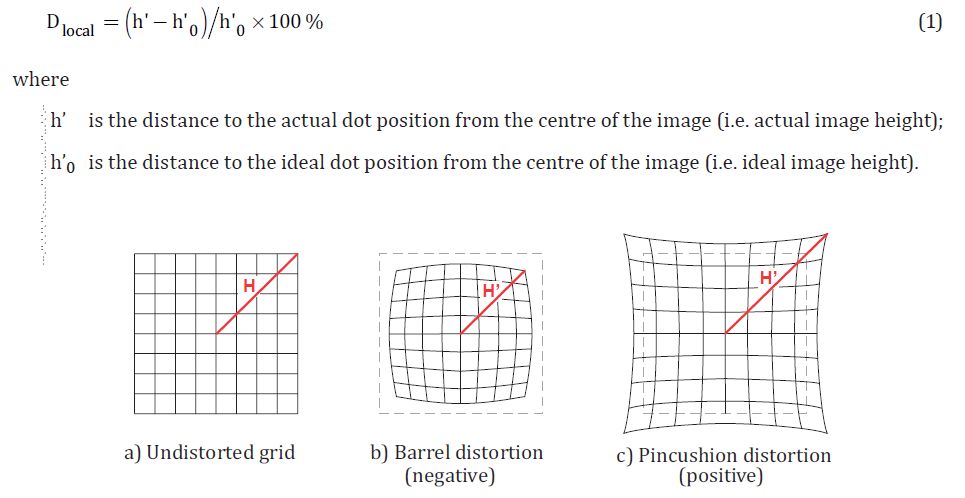
此外还有TV Geometric Distortion的计算方法为:
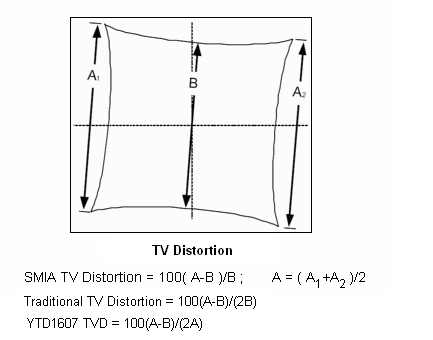
5. 其他说明
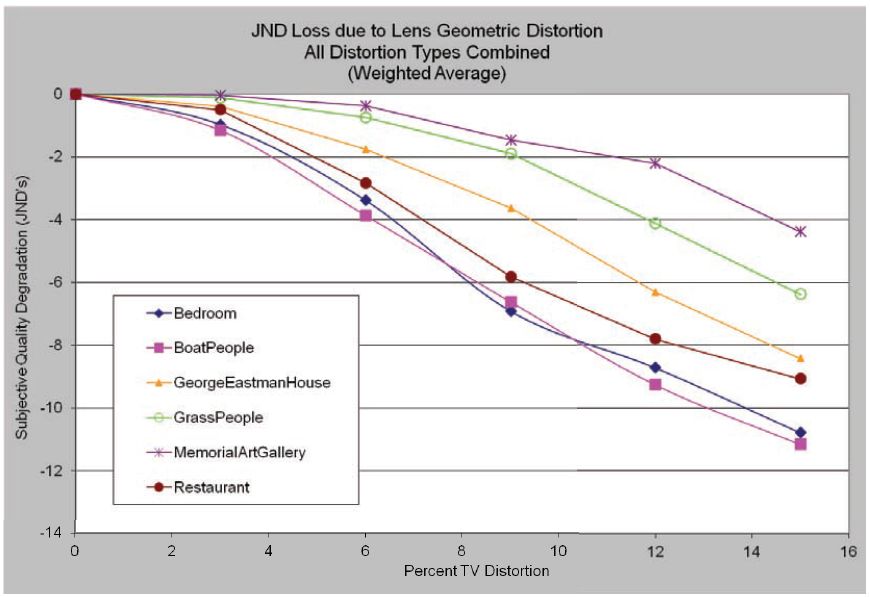
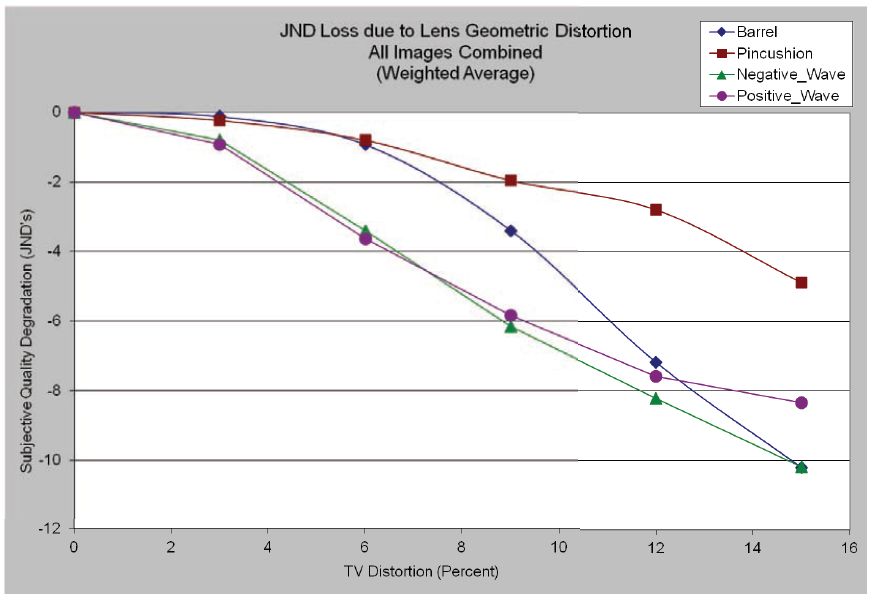
这是一个很有趣的研究,虽然ISO里面没有写,但是我通过其他渠道了解到该研究由HP、Aptina、Kodak完成。具体为人眼对于畸变的感知和场景、畸变类型相关。
首先将畸变分为四种形式:
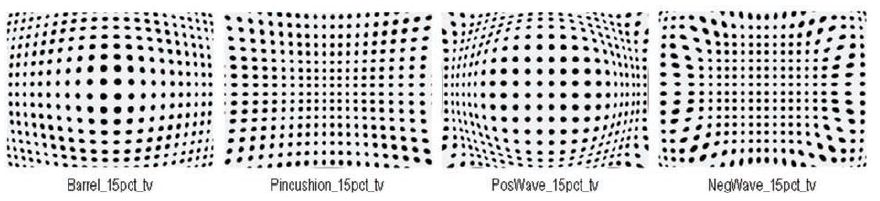
场景分为六种:
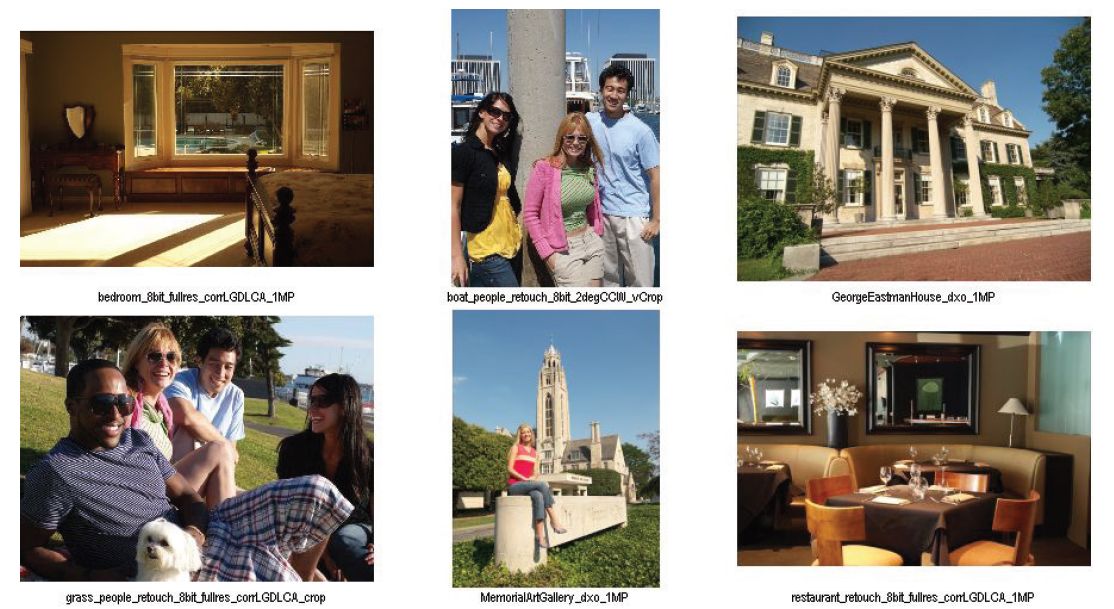
结论如下:
个人两点结论:
1. 桶型失真在8%以内下降不明显,但是超过8%迅速下降
2. 视野越开阔(室外)越不容易观察到畸变的现象,物体离镜头越近畸变影响越大。
 作者QQ及微信:49922779
